Is a Reverse Mortgage Right for You? The Green Light Checklist


Reverse mortgages in Canada remain one of the most misunderstood financial tools for seniors, often viewed as either a complete lifesaver or a dangerous debt trap. The reality is that this specialized loan can be a powerful component of smart retirement planning, building lasting financial stability when used properly but causing significant regret when misapplied.
At Canadian Reverse Mortgage Advisors, we prioritize complete transparency over traditional sales tactics. Our straightforward checklist cuts through the confusion to show you exactly who should consider this equity tool, who should avoid it, and when to proceed with careful consideration.
The Green Light: Scenarios Where a Reverse Mortgage Makes Sense
If you find yourself in one of these three scenarios, a reverse mortgage is a sound way to improve your quality of life and achieve true equity optimization.
Scenario 1: The House Rich, Cash Poor Pensioner
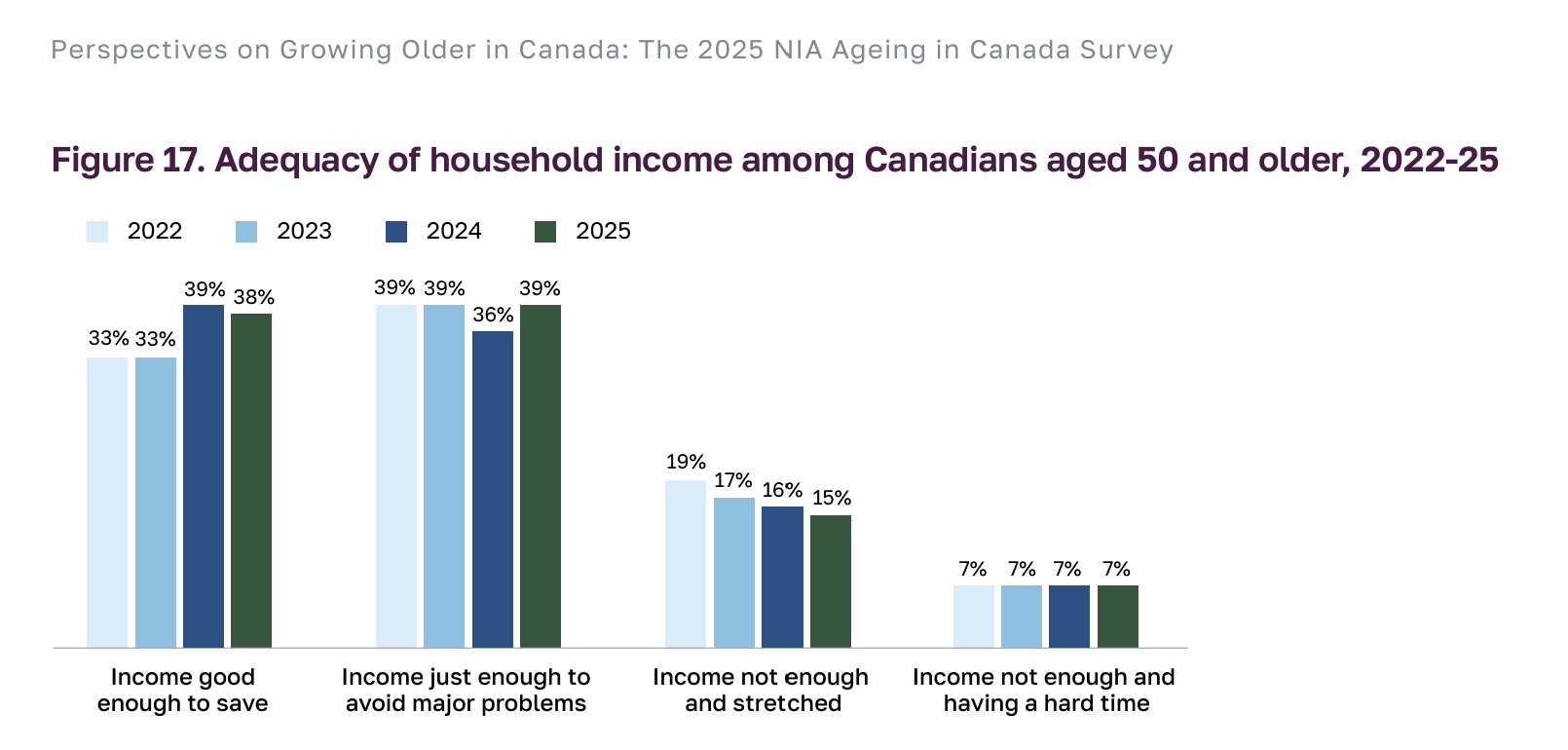
In markets like Toronto or Vancouver, we frequently see Canadian seniors living in $1.5 million properties while struggling with monthly expenses. In fact, a 2025 National Institute on Ageing (NIA) survey revealed that one in four older Canadians finds it difficult to afford their desired quality of life. Many carry high-interest credit card debt or a Line of Credit that requires constant attention.
- The Strategy: By replacing monthly-payment debt with a reverse mortgage, which requires no monthly payments, you immediately free up $500 to $1,000 in monthly cash flow.
- The Result: Whether the goal is securing in-home care, making accessibility upgrades, or simply enjoying your golden years with greater peace of mind, your home's value can support your ability to live well on your terms.
Scenario 2: The Strategic Wealth Planner
Affluent homeowners often use a reverse mortgage as a sophisticated tax-efficiency tool. Instead of selling off your investment portfolio to fund a major purchase, the numbers often favour a medium-term reverse mortgage over an RRSP or RRIF withdrawal. Let's look at an example below:
Imagine you need $100,000 in cash. You have two main options: withdraw from your RRIF or borrow against your home equity.
- RRIF Withdrawal: To get $100,000 in hand at a 50% marginal tax rate, you must withdraw $200,000. The other $100,000 is lost immediately to the CRA. On top of that, this large withdrawal will likely trigger a clawback of your Old Age Security (OAS) benefits.
- Reverse Mortgage: You borrow $100,000 at a competitive interest rate (e.g., a 5-year fixed rate of 6.49%). Your immediate tax cost is $0. After five years of compounding interest on the reverse mortgage, your total loan balance would be roughly $136,900. This is nearly $63,000 cheaper than the tax you would have paid on day one to get the same cash from your RRIF. You keep more of your hard-earned money and preserve your OAS benefits.
Disclaimer: Always consult with your accountant and mortgage broker to ensure this strategy is financially sound for your specific situation. You can see today's 5-year fixed reverse mortgage rates on our rates page.
Scenario 3: The Grey Divorcee
Splitting assets in your 60s creates a massive financial shock. Often, one spouse wants to keep the family home but cannot qualify for a traditional bank mortgage. Their individual pension income simply doesn't pass the standard stress test.
- The Advantage: Unlike traditional banks that focus heavily on your income, reverse mortgage lenders focus primarily on your equity and age.
- The Result: You can buy out your ex-spouse and secure your housing for life without needing a six-figure salary to qualify for the loan.
The Yellow Light: Proceed with Caution
In certain situations, a reverse mortgage may still be beneficial, but it’s important to carefully consider your long-term needs and exit plans before moving forward.
Scenario 1: The Short-Term Homeowner
If you plan to move to a retirement home within one to three years, proceed carefully.
- The Term Challenge: While lenders advertise shorter-term rates, most Canadian reverse mortgages have a minimum five-year contractual commitment.
- Breaking the Mortgage: Exit fees are higher than standard mortgages early in the term. While some lenders offer a penalty discount for moving into a care facility, the overall cost for a short window remains significant.
- The Strategy: If you decide to proceed with a reverse mortgage, select your lender based on their exit terms, such as downsizing and retirement home clauses, rather than just the interest rate.
Scenario 2: The Living Inheritance
Many parents want to provide an early inheritance to help their children with a down payment. While this is a generous and admirable goal, it requires careful consideration.
- Secure your own future first: Before gifting your equity, project your financial needs into your later years. If you live to be 95, will you have enough capital for your own care? Remember, your children have years ahead to earn income, whereas you are on a fixed income. If you gift away your home equity, will your children be in a financial position to support you later in life, especially with their own mortgage, education, and family costs? Ensure your retirement is completely secure before making a large gift.
Curious about how Canadian reverse mortgages work? For a comprehensive overview, including eligibility, lenders, tax implications, and costs, visit our Reverse Mortgage Canada Guide 2026.
The Red Light: Scenarios to Avoid
A reverse mortgage is a powerful financial tool, but it's not a miracle solution. In the following two scenarios, we generally recommend clients explore alternative options:
Scenario 1: The High-Risk Investor
This scenario applies to those considering borrowing against their home to invest in financial markets, such as stocks, mutual funds, or private equity, in the hope of "beating the bank" with a higher return.
- The Caution: This strategy is inherently high-risk. In 2026, the average reverse mortgage interest rate is roughly 6.6%. To make this strategy profitable, your investment portfolio must achieve a return rate of at least 8.5% to 9% annually to account for interest costs, investment management fees, and taxes on capital gains.
The golden rule of Senior Investing The Financial Consumer Agency of Canada (FCAC) and the Canadian Investment Regulatory Organization (CIRO) both emphasize that seniors have a shorter "Risk Capacity." Unlike a 30-year-old, a retiree does not have a decade-long time horizon to recover from a market crash.
- Our Advice: Reverse mortgages are designed to provide financial stability, not to fund speculative "leveraged" investing. If you are considering this approach, consult with a licensed, independent financial advisor. For most retirees, a conservative plan that protects home equity is the safest way to ensure long-term security.
Scenario 2: The Financially Secure Retiree
This scenario applies to homeowners whose top priority is preserving the value of their estate for heirs rather than accessing additional cash flow during retirement.
- The Caution: Since reverse mortgage debt compounds over time, your final estate value will be reduced without meaningful benefit to your retirement lifestyle.
- Our Advice: Only consider a reverse mortgage if it provides a tangible benefit, like those outlined earlier, or meaningfully enhances your quality of life. If your financial needs are already covered, this is probably not the right tool for you.
Conclusion: Securing Your Future on Your Terms
True financial clarity comes from comparing all of the options available to you. Because every lender has different rules regarding prepayment penalties, downsizing clauses, and care-home transitions, the best choice is rarely determined by rate alone.
At Canadian Reverse Mortgage Advisors, we provide transparent, unbiased guidance to ensure your home remains an asset that serves your long-term vision.
Don’t wait to secure the retirement you deserve, unlock your home’s potential today. Take advantage of our exclusive resources and expert guidance to make confident, informed decisions about your future:
- Calculate Your Tax-Free Cash - Use our Reverse Mortgage Calculator to see exactly how much equity you can unlock.
- Book a Free Discovery Call - Schedule a transparent, no-obligation conversation with our experts to discuss your unique situation.
Not just another mortgage - real guidance for your financial peace of mind.
Reverse Mortgage FAQ for Canadian Homeowners
About the Author
Alexander Gasenko
Mortgage Broker, Reverse Mortgage Specialist
Alexander is the founder of Canadian Reverse Mortgage Advisors team and a licensed mortgage professional serving Ontario, British Columbia, and Alberta. With a degree in Economics and a background in banking, he’s passionate about helping Canadian seniors protect their equity and navigate rising living costs. When he’s not negotiating with lenders, Alexander shares financial insights on his YouTube channel, empowering Canadian homeowners to make informed decisions. His mission? To provide clarity and confidence for a secure financial future.